Why Anatomy Is the Foundation of Aesthetic Practice
The aesthetics industry has grown rapidly over the past decade, with increasing numbers of professionals choosing careers in non-surgical cosmetic treatments. As demand continues to rise, clients are becoming more informed about the treatments they receive and the qualifications of the practitioners performing them.
While advanced procedures often receive the most attention, every successful aesthetic practitioner shares one essential foundation: a thorough understanding of facial anatomy for aesthetics.
Whether you're beginning your career or looking to expand your skills, learning facial anatomy isn't simply another qualification to tick off your list. It's the knowledge that underpins safe practice, confident decision-making and professional development throughout your career.
Rather than relying solely on techniques learned during practical training, practitioners with strong anatomical knowledge understand why treatments are performed in particular ways and how every client's facial structure should influence treatment planning.
Understanding Facial Anatomy for Aesthetics
Every person's face is unique.
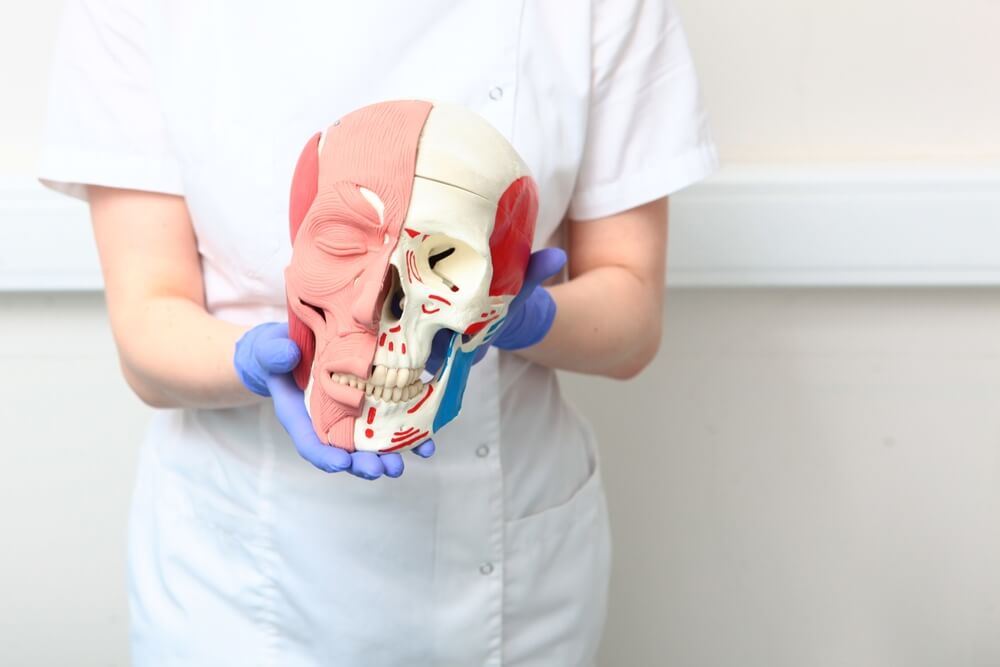
Beneath the surface lies a highly complex structure made up of muscles, nerves, arteries, veins, fat pads, ligaments and connective tissues. These structures work together to create facial movement, expression and support.
As we age, these structures naturally change. Fat pads reduce in volume, collagen production slows, muscles weaken and skin elasticity decreases. Understanding how these changes occur allows practitioners to assess each client more accurately and recommend appropriate treatment plans.
A comprehensive facial anatomy course teaches students to identify important anatomical landmarks and understand how underlying structures influence facial appearance.
This knowledge enables practitioners to:
- Understand facial proportions and symmetry
- Recognise natural anatomical variations between individuals
- Appreciate how ageing affects different areas of the face
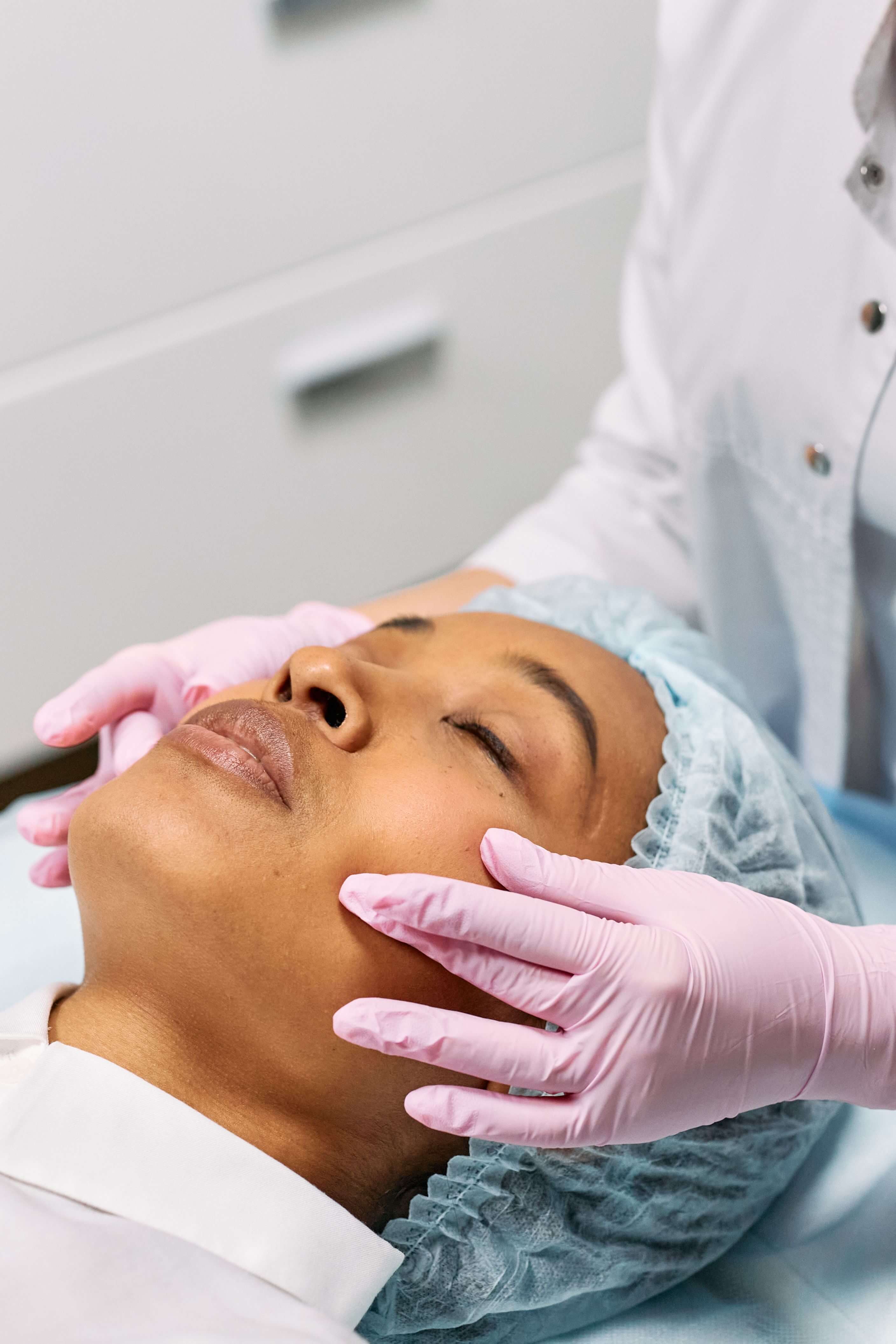
- Carry out detailed facial assessments
- Plan treatments with greater precision
Ultimately, anatomy transforms treatment planning from a standardised process into one that is personalised for every client.
How Anatomy Knowledge Improves Patient Safety
Patient safety should always be the highest priority in aesthetics.
Although all aesthetic procedures involve some degree of risk, many complications can be reduced through comprehensive anatomical knowledge and careful assessment.
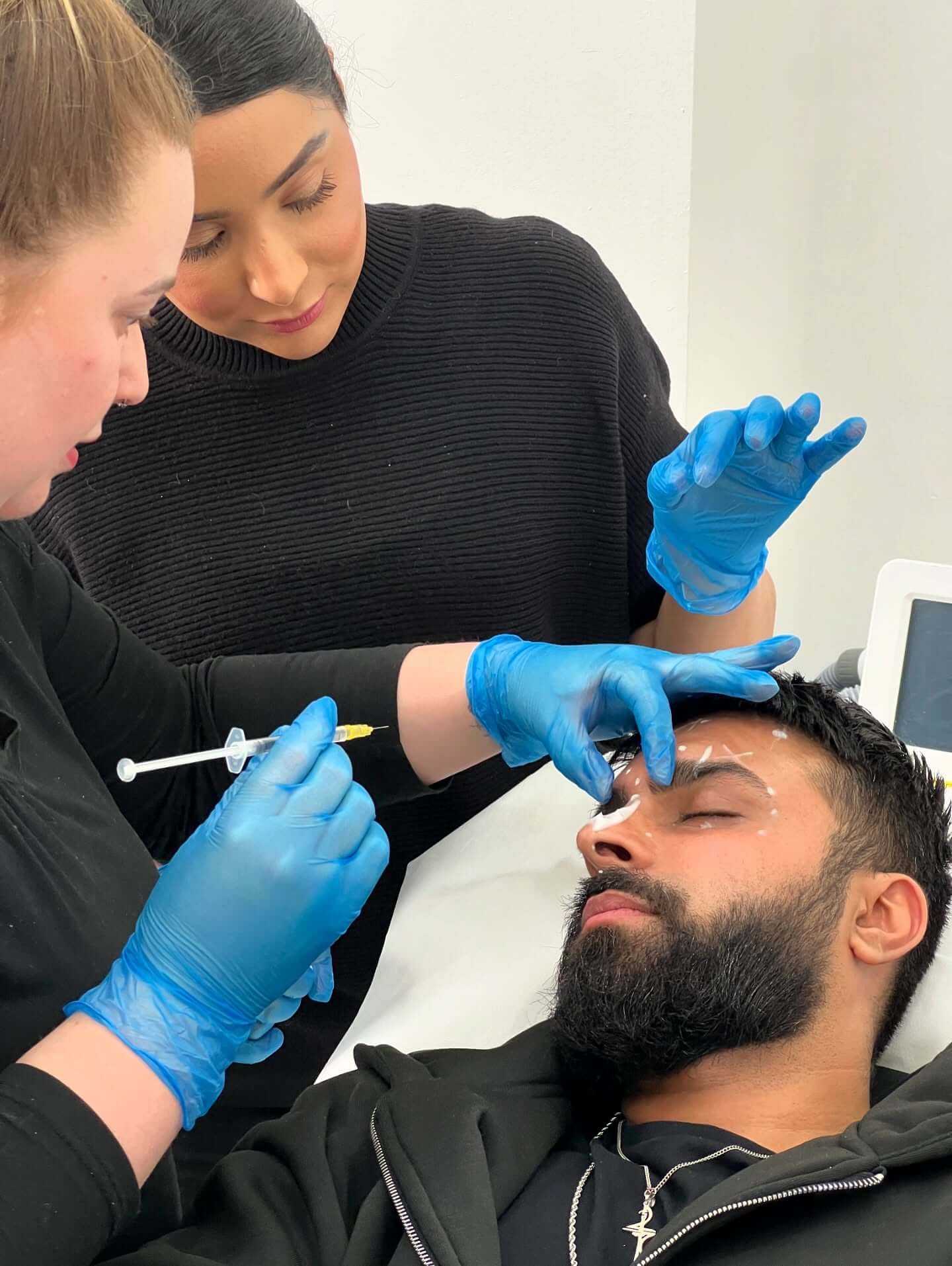
Quality anatomy training in aesthetics helps practitioners understand where important blood vessels, nerves and muscles are located, enabling them to work more confidently while following recognised safety protocols.
Strong anatomical knowledge also helps practitioners:
- Carry out thorough consultations
- Recognise contraindications
- Understand high-risk facial areas
- Adapt treatment plans to suit individual anatomy
- Make informed clinical decisions
Rather than simply following treatment patterns, practitioners can assess every client individually and make decisions based on evidence and understanding.
Clients increasingly value practitioners who place safety and education ahead of trends, making anatomical knowledge an important part of building long-term trust.
Better Consultations Begin with Better Knowledge
An excellent consultation is about much more than discussing treatment options.
Today's clients often arrive having researched procedures online, read reviews and seen results across social media. They expect practitioners to explain treatments clearly and answer questions confidently.
Understanding facial anatomy enables practitioners to explain:
- Why facial ageing affects everyone differently
- How muscles influence facial movement
- Why some treatments are more suitable than others
- How facial proportions affect treatment planning
- What realistic outcomes clients can expect
These conversations help clients make informed decisions and demonstrate professionalism before treatment even begins.
Clients are far more likely to trust practitioners who educate them rather than simply recommend treatments.
Building Confidence Through Education
Confidence isn't something that appears overnight.
For many newly qualified practitioners, confidence develops through experience, continued learning and a deeper understanding of the science behind aesthetic treatments.
When practitioners understand facial anatomy, they rely less on memorising techniques and more on informed clinical judgement.
This often leads to:
- More confident consultations
- Better communication with clients
- Improved treatment planning
- Greater consistency in practice
- Stronger professional development
Education provides the confidence needed to continue growing throughout your career.
Common Mistakes When Anatomy Is Overlooked
Without a solid understanding of anatomy, practitioners may struggle to assess each client's unique facial structure effectively.
Some common challenges include:
- Using identical treatment approaches for every client
- Failing to recognise anatomical differences
- Poor consultation planning
- Limited understanding of facial ageing
- Reduced confidence when discussing treatment options
While ongoing experience helps improve these skills, building a strong anatomical foundation from the beginning makes learning advanced techniques far easier.
The most respected practitioners continue investing in education throughout their careers because they recognise that learning never stops.
Supporting Your Long-Term Career Development
The aesthetics industry evolves constantly.
Every year brings new treatment techniques, technologies and products, but one thing remains consistent, successful practitioners always rely on anatomical knowledge.
Whether your future includes:
- Skin rejuvenation
- Advanced injectable procedures
- Regenerative aesthetics
- Combination treatment planning
- Advanced facial assessment
your understanding of facial anatomy will continue to support your professional growth.
Rather than repeatedly learning individual procedures, practitioners with strong anatomical foundations adapt more easily as the industry develops.
Continuous education also demonstrates commitment to professionalism, something increasingly valued by both employers and clients.
Choosing the Right Facial Anatomy Course
Not all training providers offer the same level of education.
When comparing providers, look beyond price and consider the quality of learning experience.
A high-quality facial anatomy course should include:
- Comprehensive facial anatomy education
- Experienced clinical educators
- Practical application of anatomical knowledge
- Small group learning where possible
- Accredited training
- Ongoing support after completing the course
Investing in quality education today creates knowledge that will benefit your entire career.
Why Train with Este Training Academy?
At Este Training Academy, we believe great practitioners are built on strong foundations.
Our anatomy training is designed to give learners a clear understanding of the facial structures that underpin safe and effective aesthetic practice. Combining expert-led teaching with practical clinical insight, our courses help students build confidence that extends far beyond the classroom.
Rather than simply teaching techniques, we focus on helping learners understand the science behind aesthetic treatments, enabling them to make informed decisions and continue developing throughout their careers.
Whether you're starting your journey or enhancing your existing qualifications, our commitment is to provide education that supports both patient safety and long-term professional success.
Final Thoughts
A successful career in aesthetics isn't built on trends or shortcuts, it's built on knowledge.
Developing a strong understanding of facial anatomy for aesthetics enables practitioners to work more confidently, carry out better consultations and prioritise patient safety throughout every stage of their career.
As the aesthetics industry continues to evolve, practitioners who invest in education will always be best placed to provide high standards of care and build lasting client relationships. Whether you're taking your first step into aesthetics or looking to expand your expertise, investing in high-quality anatomy training is one of the smartest decisions you can make for your future.