The aesthetics industry is becoming increasingly advanced, clinical, and patient-focused. Clients today expect more than good results; they want reassurance, professionalism, and confidence in the person performing their treatment.
One area where this shift is becoming particularly noticeable is phlebotomy.
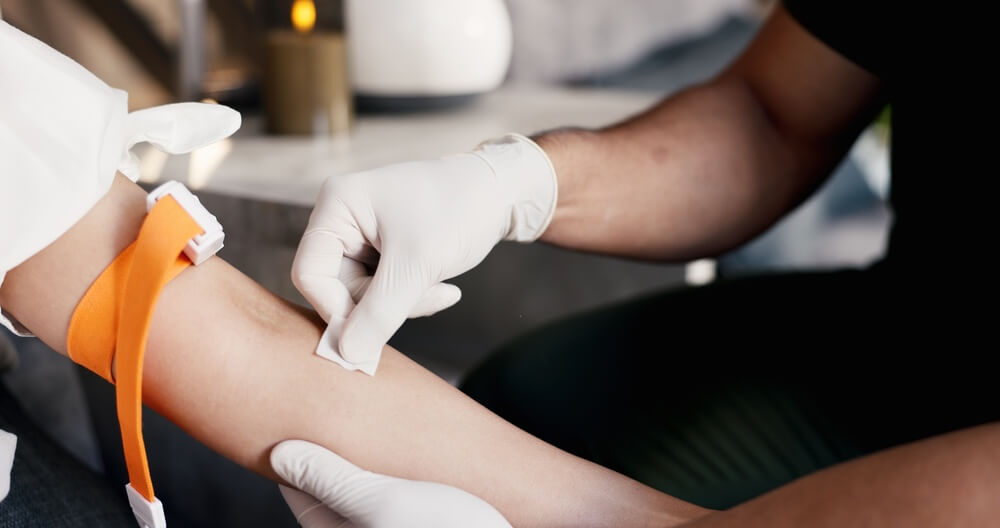
As treatments such as PRP (Platelet Rich Plasma), regenerative aesthetics, and advanced skin therapies continue to rise in popularity, more practitioners are recognising the importance of proper blood-taking skills. However, there is still a significant skills gap across the industry.
For many aesthetic nurses and practitioners, limited confidence in phlebotomy can quietly impact client trust, treatment opportunities, and overall business growth.
Why Phlebotomy Is Becoming More Important in Aesthetics
A few years ago, phlebotomy was primarily associated with hospitals, GP surgeries, and healthcare environments.
Today, it plays an increasingly important role within modern aesthetic clinics.
Treatments such as:
- PRP for hair restoration
- PRP facials
- Advanced regenerative skin treatments
- Wellness therapies
- Combination injectable procedures
All require safe and confident blood collection.
Clients often view these procedures differently from standard beauty treatments. They expect a higher clinical standard and stronger practitioner expertise.
If a practitioner appears nervous, inexperienced, or uncertain during blood collection, client confidence can quickly decrease, even if the treatment results themselves are good.
This is why proper phlebotomist training has become increasingly valuable for aesthetics professionals looking to build long-term trust and credibility.
Clients Associate Confidence With Competence
In aesthetics, confidence matters.
Clients are placing their appearance, comfort, and well-being into someone else’s hands. Every interaction contributes to whether they feel safe and reassured.
Something as simple as:
- Difficulty locating a vein
- Hesitation during preparation
- Poor communication
- Lack of clinical professionalism
can negatively shape a client’s overall perception of treatment quality.
This does not mean practitioners need years of NHS experience to succeed in aesthetics. But it does highlight the importance of proper practical training and repetition.
High-quality aesthetics training courses increasingly include broader clinical skills because modern clients expect practitioners to deliver treatments confidently and professionally from start to finish.
The Industry Is Becoming More Clinical
One of the biggest changes across aesthetics industry is the movement towards clinical-led standards.
Clients are becoming more cautious about who they trust with advanced procedures. Many actively research qualifications, training providers, and practitioner backgrounds before booking consultations.
For established professionals already working within beauty or healthcare, adding phlebotomy skills can strengthen both credibility and treatment opportunities.
For career changers entering aesthetics for the first time, it can also provide a valuable advantage when building client trust early in their journey.
Those exploring aesthetics course options are increasingly looking for academies that teach not only treatments, but also the practical clinical foundations supporting patient safety and professionalism.
Why Basic Training Is No Longer Enough
The aesthetics market has become more competitive than ever.
Clients now compare practitioners based on:
- Qualifications
- Experience
- Reviews
- Consultation quality
- Clinical knowledge
- Treatment confidence
Simply completing one introductory course is rarely enough to build a sustainable business long-term.
This is particularly relevant for practitioners hoping to offer advanced or regenerative procedures in the future.
Comprehensive learning pathways, including aesthetics training courses, allow practitioners to gradually build both confidence and competence across multiple treatment areas.
Phlebotomy Skills Can Support Business Growth
Phlebotomy training is not only about clinical ability, it can also support wider business growth.
Offering additional treatments allows clinics and independent practitioners to:
- Diversify income streams
- Expand treatment menus
- Improve client retention
- Increase consultation opportunities
- Position themselves more professionally
Clients often prefer clinics where multiple treatments can be offered under one trusted provider.
This is especially true in Birmingham, where the aesthetics market continues to evolve rapidly.
Professionals who continue learning and adapting are often the ones who build stronger long-term client relationships.
The Importance of Hands-On Learning
One of the biggest mistakes practitioners make is relying too heavily on online-only education for practical skills.
Phlebotomy requires real-world repetition, guidance, and supervised practice.
Hands-on learning environments allow students to:
- Develop confidence safely
- Improve technique
- Learn correct patient communication
- Understand infection control
- Gain practical troubleshooting experience
For students searching for aesthetics courses, practical training should always be a major consideration when choosing an academy.
Confidence is built through experience, not simply theory.
Beauty Therapists Are Also Expanding Into Clinical Skills
Interestingly, many professionals entering phlebotomy training are not nurses at all.
Experienced beauty therapists are increasingly progressing into advanced aesthetics and clinical-led treatments after completing qualifications such as:
These qualifications often provide strong foundations in anatomy, client care, skin health, and consultation skills, making progression into advanced aesthetics feel more manageable.
As the industry evolves, the divide between traditional beauty and advanced aesthetics continues to narrow.
What Practitioners Should Focus On in 2026
The most successful aesthetics professionals today are not necessarily those offering the most treatments.
Instead, they are usually practitioners who:
- Continue developing their skills
- Invest in credible education
- Prioritise client safety
- Communicate confidently
- Deliver ethical treatment plans
- Build trust over time
Phlebotomy is simply one example of how clinical competence now plays a larger role in aesthetic success.
For practitioners serious about long-term growth, investing in professional development can help build stronger client relationships and create more sustainable career opportunities.
At Este Training Academy, we support both beginners and experienced professionals through practical, confidence-building education designed to reflect the realities of today’s aesthetics industry.